



Table of contents
To start a dropshipping business, you choose a niche and products, partner with established suppliers who fulfill orders for you, build an online store, and focus on marketing and customer experience.
You only pay for products after a customer places an order, which keeps upfront costs low and reduces risk.
This business model works because it separates selling from fulfillment:
-
You handle branding, traffic, and customer relationships
-
Your supplier handles inventory, production, and shipping
We’ll show you how to start a dropshipping business step by step – from understanding the model and choosing suppliers to building your store, marketing it, and scaling sustainably in 2026.
How does dropshipping work?
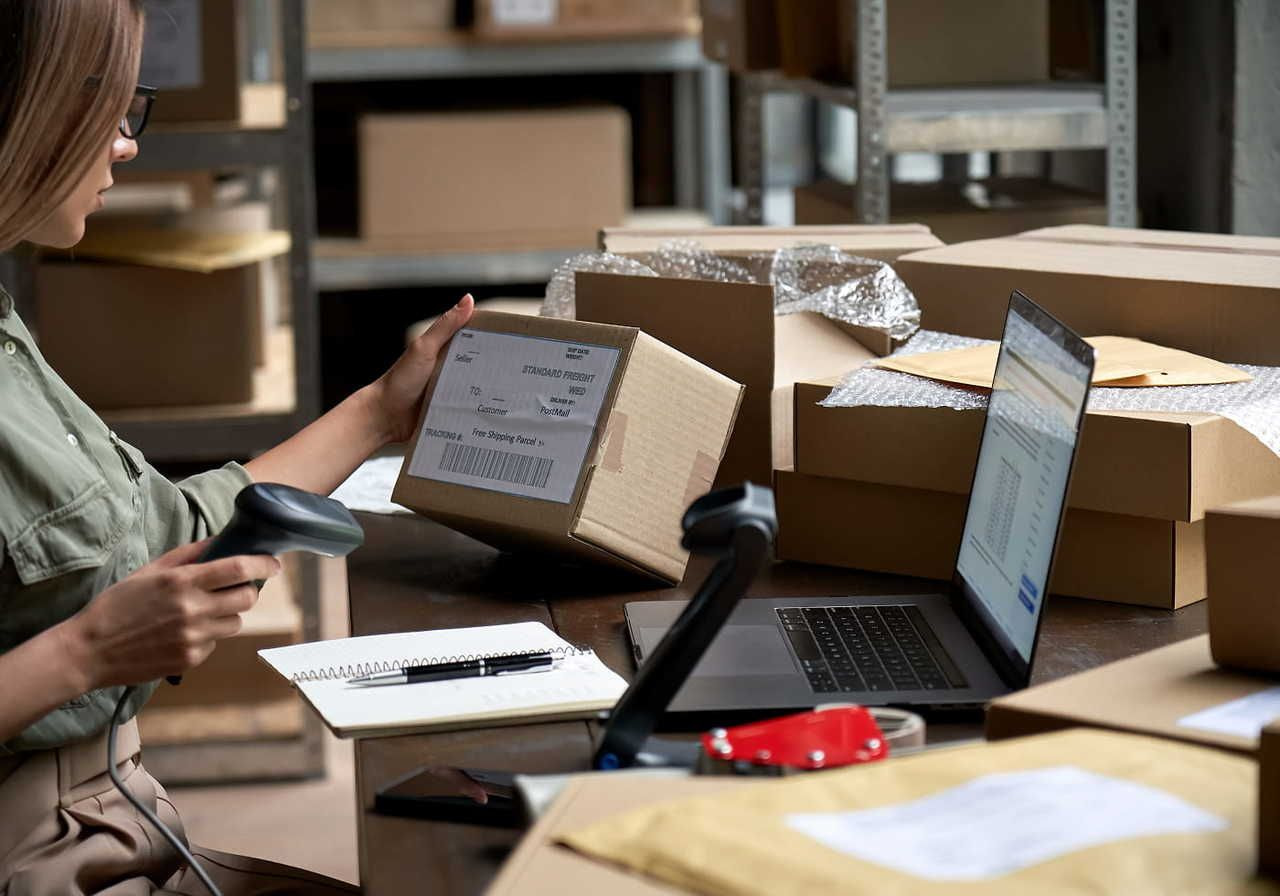
Dropshipping is one of the simplest ways to start selling products online without dealing with storage, packing, or shipping. You don’t need to order hundreds of items upfront or rent a warehouse.
Instead, you set up an online dropshipping store, choose the products you want to sell, and when someone orders, your third-party supplier ships the item directly to the customer on your behalf.
You never see or touch the product (unless you order samples, which we recommend doing), and that’s the point. You’re the storefront. You’re the brand. The supplier is your back-end operator.
Here’s how the process works, step by step:
-
A customer places an order on your online store
-
You forward the order to your supplier (often automatically)
-
The supplier, like Printful, prints, packs, and ships the product directly to your customer
-
Your profit is what’s left after paying the supplier, fees, and any other costs
So, your job is to choose the right products, market them well, and build trust with customers. The supplier handles the fulfillment.
This model is ideal for beginners because it removes the biggest risks – unsold inventory, storage headaches, and upfront investment in products.
How is dropshipping different from traditional retail?
If you’re used to buying inventory in bulk, storing it in your garage, and shipping each order yourself, dropshipping flips that script entirely.
Here’s the main difference: in traditional retail, you buy the product before you sell it. With dropshipping, you sell the product before you buy it.
Let’s break it down:
|
Dropshipping |
Traditional retail |
|
No inventory |
You hold and manage inventory |
|
Low startup costs |
High upfront investment |
|
Supplier ships the product |
You pack and ship orders |
|
Easy to add/remove products |
Harder to pivot once you’ve purchased stock |
|
Lower risk |
Higher financial risk if products don’t sell |
That’s why dropshipping is so popular with first-time entrepreneurs – it’s a lower-risk way to learn eCommerce without betting on inventory you might never sell.
Get to know the dropshipping benefits

The appeal of dropshipping is how little you need to get started. You don’t need a warehouse, a huge budget, or a background in logistics. It’s lean and simple – especially for solo entrepreneurs.
Some of the biggest advantages:
-
Low startup costs – no need to buy stock upfront or pay for warehousing
-
No inventory management – suppliers handle the logistics
-
Flexible product range – test and switch products without major commitments
-
Scalable – your order fulfillment scales automatically as your orders increase
-
Work from anywhere – all you need is a laptop and an internet connection
It’s a practical way to learn how eCommerce works, especially if you’re not ready to invest in large orders or manage physical inventory.
Keep dropshipping challenges in mind
Dropshipping makes logistics easy, but it comes with trade-offs. You’re not in control of the product or the delivery, which can get frustrating if a supplier drops the ball. And while the barrier to entry is low, the competition is high.
Here’s what to watch out for:
-
Shipping times may be long, especially if your supplier is overseas
-
You don’t control quality, so vet suppliers carefully
-
Margins can be thin, so pricing and marketing must be strategic
-
You’re responsible for customer support, even when the problem isn’t your fault
These aren’t dealbreakers, but they’re worth knowing before you set up shop. Clear expectations and a good relationship with your supplier go a long way.
There’s no such thing as a perfect business model. The dropshipping model is great for flexibility, but you don’t control everything. Here’s a quick look at the trade-offs.
|
Pros |
Cons |
|
Low cost to launch |
Lower profit margins |
|
Easy to test new products |
Less control over shipping and quality |
|
You don’t hold inventory |
Customer issues still land in your inbox |
|
Works from anywhere |
High competition in generic niches |
|
Scales with tools and automation |
You rely heavily on suppliers |
The good news? You can build a solid online business by playing to dropshipping’s strengths – starting lean, learning fast, and building around quality products and a clear brand. And if you want to sidestep the generic product problem entirely, Print on Demand is the way to do it.
How to start a dropshipping business in 6 simple steps
Dropshipping gives you the flexibility to start lean, move fast, and focus on growth rather than logistics.
Let’s break it down into six straightforward steps.
1. Research and choose your niche

Before you sell anything, you need to know who you’re selling to and why they’d buy it. That’s your niche – a specific group of people with shared interests, needs, or identities. Choosing the right dropshipping niche helps you speak directly to your target audience and offer products they’re already looking for.
Start with problems, hobbies, or identities you understand. Then use tools to validate whether people are actually spending money in that space.
To identify a profitable niche, look for:
-
Products people are emotionally invested in (e.g., pets, parenting, hobbies)
-
Active search demand and clear purchase intent
-
Room to differentiate (not just selling what everyone else is)
Helpful tools to guide your research:
-
Google Trends – shows search demand over time
-
Etsy/Amazon search autocomplete – reveals what real shoppers are looking for
-
AI tools like Exploding Topics – spot early trends before they explode
Next, conduct competitor research:
-
Search for existing dropshipping stores in your niche
-
Look at how they price, brand, and present their products
-
Check product reviews to see where they fall short – that gap is your opening
Blend trending and evergreen products:
-
Evergreen = consistent, long-term demand (e.g., yoga mats)
-
Trending = short-term spikes, seasonal or viral products (e.g, Stanley tumbler dupes)
-
A good store balances both for stable and scalable growth
2. Find products and reliable suppliers
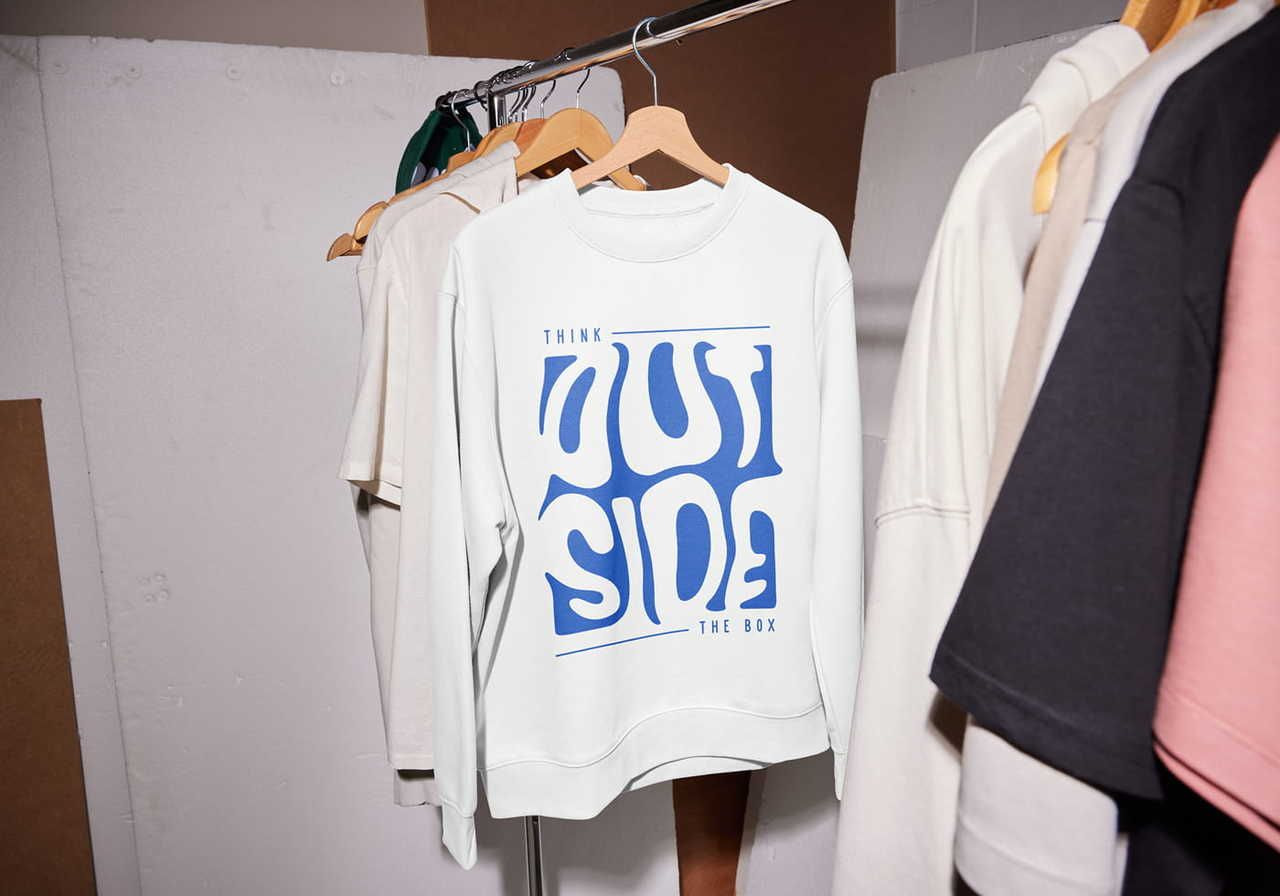
Now that you’ve got a niche, you need to find trending products and the suppliers who’ll fulfill your orders. This part makes or breaks your business. A bad supplier means late deliveries, poor product quality, and unhappy customers (even if your store looks amazing).
Where to find dropshipping suppliers:
-
Print-on-demand platforms (like Printful) – create custom t-shirts and other products with your own designs
-
Directories like Spocket, Syncee, or SaleHoo – connect you to pre-vetted, established suppliers
-
Local manufacturers – often offer faster shipping if your audience is regional
When you research suppliers, focus on:
-
Product quality and consistency
-
Shipping speed to your target markets
-
Responsiveness to questions or complaints
-
Transparency around return/refund policies
Always order product samples before going live. This is how you spot red flags and ensure you’re selling something you’re proud of. It’s also your chance to test packaging and delivery times.
If your store takes off, set backup suppliers for your bestsellers. It’s one of the easiest ways to protect your brand from fulfillment disasters.
Choosing the right supplier supports your business goals, improves customer satisfaction, and helps you maintain healthy profit margins, especially if you’re aiming to scale.
Learn more:
3. Calculate costs and profit

Dropshipping isn’t a get-rich-quick scheme. To run a profitable business, you need to understand your numbers and price accordingly.
Your costs go beyond just what the supplier charges. Every sale includes layers of hidden expenses that cut into your bottom line.
Total cost per item usually includes:
-
Base product cost
-
Shipping fees
-
Marketplace or platform fees
-
Sales tax (depending on where you sell)
-
Ad spend (paid social, search, influencer posts)
-
Refunds or replacements (build in a buffer)
Once you have your true cost per item, set prices that give you enough margin to grow.
Pricing strategies to consider:
-
Cost-plus: markup based on fixed margin (e.g., 2x product cost)
-
Value-based: charge more if your product solves a problem or has strong branding
-
Psychological pricing: $39.95 often converts better than $40.00
Want to improve profitability?
-
Offer bundles or quantity discounts
-
Upsell accessories or add-ons post-checkout
-
Encourage repeat purchases with email flows or loyalty perks
Being intentional about pricing is what makes dropshipping profitable – not just guessing.
Read more: Beginner’s guide to dropshipping sales tax
4. Build your online store

This is where your brand identity lives. Whether you use Shopify, Etsy, WooCommerce, or another selling platform, the key is clarity, speed, and trust.
Start by choosing your platform:
-
Shopify – best all-around for beginners who want full control
-
Etsy – ideal for artsy or personalized products
-
WooCommerce – good for WordPress users
-
TikTok Shop or Amazon – faster audience reach, but lower customization
Then move on to your store’s branding and user experience. It doesn’t have to be perfect. But it does have to be easy to navigate, mobile-friendly, and visually aligned with your niche.
Focus on:
-
Your logo, color palette, and font choices (keep it simple)
-
Strong product titles and benefit-focused descriptions
-
High-quality images and video, where possible
-
Mobile responsiveness and fast loading speeds
-
Clear shipping and refund info
To improve customer experience, add automation tools like chatbots, abandoned cart emails, and inventory alerts. These small touches build trust, especially for small businesses.
A strong visual identity builds recognition. A clear, trustworthy experience builds sales.
Valuable read: 10 Best eCommerce platforms for a dropshipping business
5. Launch and market your store

You’ve built the foundation. Now it’s time to get people in the door by developing a marketing strategy.
Start with a pre-launch checklist:
-
All product pages are proofread
-
Payments and shipping rates are tested
-
Return/refund policies are published
-
Social handles and tracking tools are connected
Marketing is where dropshipping success happens. Since you don’t control fulfillment, your edge lies in how well you attract and convert customers.
Organic digital marketing ideas:
-
Use Instagram, Pinterest, and TikTok to showcase your products
-
Post consistently with value-based content marketing, not just “buy now” posts
-
Partner with micro-influencers for low-cost visibility
-
Join online communities, Facebook groups, or Reddit threads where your audience hangs out
Paid marketing strategies:
-
Run Meta ads to test interest-based audiences
-
Use Google Shopping to reach buyers with intent
-
Try TikTok ads for impulse-buy-friendly products
-
Launch influencer marketing campaigns with creators who’ll work on an affiliate basis
Don’t forget seasonal marketing. Launch themed promos tied to holidays or niche-specific events (Valentine’s for couples merch, back-to-school for organizers, etc.).
Pro tip: Most dropshipping stores don’t fail because of bad products. They fail because no one ever sees them. Consistency is what attracts customers.
Read more:
6. Adapt and scale your business

Once your store is live and you’re making consistent sales, the next step is to scale. Don’t just throw more products at your audience – refine what works and gradually add systems to support growth.
To grow your dropshipping store, focus on:
-
Expanding product lines within your niche
-
Testing new niches once you’ve nailed the first
-
Adding passive income streams like subscriptions or bundles
-
Exploring hybrid models (holding stock of bestsellers for faster shipping)
-
Using automation tools for customer emails, order routing, tracking sales, and analytics
Track your profit margins, ad performance, and repeat purchase rate. If the numbers are solid, reinvest in growth. If not – adjust your pricing or product mix.
As your traffic and orders increase, treat your store like a real eCommerce website, not a side project. That’s the shift that moves you from “experiment” to a successful dropshipping business.
Common dropshipping mistakes people make

Running a dropshipping business model is simple on paper. But in practice, many new sellers stumble by overlooking a few key principles. Here are the most common dropshipping mistakes and how to avoid them.
Choosing oversaturated niches
If you target the exact same niche market that hundreds of other sellers are already flooding with generic products, it becomes nearly impossible to stand out. A saturated niche means your ads cost more, your conversion rate drops, and your brand gets lost in the noise.
Don’t just follow what’s trending. Instead, find gaps within larger markets – or serve a specific group better than anyone else.
Avoid this mistake by:
-
Looking for niche communities with passionate audiences
-
Serving micro-audiences (e.g., “eco-friendly gym gear” instead of just “fitness”)
-
Offering customization, bundles, or faster shipping to create an edge
A smaller, well-defined market you understand will outperform a crowded one you don’t.
Pro tip: Custom products are one of the best ways to stand out in a crowded market. With Print on Demand, every product you sell is unique to your brand – which other generic dropshipping stores simply can’t match.

Poor supplier quality or shipping issues
A great eCommerce store means nothing if your supplier can’t deliver. Long shipping times, damaged products, or unreliable tracking erode trust – and that trust is hard to rebuild.
Many beginners skip supplier vetting. But the dropshipping process depends entirely on fulfillment – if your supplier fails, customers blame you.
Avoid this mistake by:
-
Ordering samples before selling anything
-
Testing shipping speeds to your core regions
-
Contacting support before committing – slow to respond means slow to fix problems down the line
You’re aiming for good customer support, not just for you, but for your customers. If something goes wrong, your supplier should be able to fix it fast and transparently.
Ignoring total costs, fees, and taxes
This one’s huge. A lot of new sellers think profit is what’s left after paying the supplier, but that’s only part of the equation. If you ignore platform fees, paid ads, and unexpected shipping charges, your margins evaporate fast.
Plus, mixing up business finances and personal finances leads to messy books, inaccurate projections, and potential tax trouble.
Key costs to track:
-
Product cost (not to be confused with inflated “wholesale prices” from some suppliers)
-
Shipping and delivery charges
-
Platform fees (Shopify, Etsy, etc.)
-
Transaction fees (Stripe, PayPal, etc.)
-
Taxes like sales tax and VAT
-
Your marketing budget
-
Ad spend and cost per acquisition
Avoid this mistake by:
-
Using a dedicated business bank account and business credit card
-
Separating income and expenses from your personal assets
-
Tracking your potential profit margins on every SKU
-
Setting aside tax estimates monthly so you’re not caught off guard
To learn more about business accounting, check out our detailed guide on managing personal and business finances. If you’re based in the US, we also have an in-depth post about taxes and legal requirements.
Lack of branding and differentiation
If you use the same titles, product photos, and descriptions as every other store selling the same dropshipping products, customers won’t trust your store – or remember it.
Your dropshipping store should feel like a real brand, not a reseller hub. That means building a look, a tone, and a story that aligns with your audience.
Avoid this mistake by:
-
Developing your brand identity before you launch (colors, fonts, voice)
-
Investing in original visuals, even simple Canva banners
-
Learning the basics of marketing skills – what makes people click, trust, and buy
-
Offering curated product collections with a consistent vibe
People don’t fall in love with a product. They fall in love with a brand.
Relying on a single supplier or product
This mistake becomes dangerous as soon as sales start to grow. If your only product runs into stock issues – or your sole supplier ghosts you – you’re stuck.
Dropshipping works best when you build in backup options and test new products consistently.
Avoid this mistake by:
-
Always having alternative dropshipping suppliers for top products
-
Testing new products regularly to avoid overdependence
-
Diversifying categories slowly, based on data
-
Building customer loyalty so buyers return regardless of what’s trending
If one product disappears, your business shouldn’t go down with it.
Sell custom products hassle-free with Printful

If you want more control over product quality and design, Print on Demand is a better option than generic dropshipping.
With Printful, you create and sell custom products online without managing inventory or fulfillment.
Step 1: Sign up
Create a free Printful account in just a few clicks. No subscription fees, no minimums – just a clean dashboard where you control your product catalog, orders, and branding.
Step 2: Choose products
Browse from hundreds of customizable items in our Catalog, including apparel, accessories, and home goods.
Select the products that fit your niche and audience, whether you’re selling gifts, merch, or everyday essentials.
Step 3: Start designing
Upload your artwork, add custom text, or create something from scratch using Printful’s built-in Design Maker.
Preview everything in real time and ensure each product reflects your brand identity.
Step 4: Connect your store
Integrate Printful with your Shopify store, Etsy shop, TikTok Shop, or any other major sales channel. Orders sync automatically, and fulfillment runs in the background.
Step 5: Show your products to the world
Focus your marketing efforts on getting traffic and building your customer base. Use organic content, paid ads, seasonal promotions, and email campaigns to attract customers and grow your dropshipping store.
Ready to start dropshipping?
The dropshipping model makes it easy to launch an eCommerce business without the usual risks. You don’t need inventory, warehouses, or a big budget – just a smart plan, the right tools, and a bit of consistency.
Whether you’re testing a new niche or building your first store, the best time to start is now. Choose your products, connect your store, and start dropshipping. Your store won’t build itself – but with Printful’s POD, it’s pretty close.
Read more:
FAQs
Yes, you can start a dropshipping business on your own. It’s a simple business model because you don’t need to make or ship the products yourself.
Choose a reliable dropshipping supplier, build an online store, and focus on marketing to bring in customers.
Yes, many dropshipping businesses turn a solid profit. But success depends on factors like choosing a profitable dropshipping niche, competitive pricing, and an effective marketing strategy.
It won’t happen overnight, but with dedication, market research, and a solid plan, your dropshipping business can become profitable.
Not quite. Starting costs for a new dropshipping business are low, but you’ll still need some funds to cover essentials like web hosting, eCommerce platform fees, and marketing.
We also recommend spending some money on product samples so you can assess the quality of the products you’re selling.
It depends on your location, what you’re selling, and local sales tax laws. Most areas require a basic business license for online stores, and you might also need a seller’s permit to collect sales tax.
Check with your local government office for the exact requirements.
While creating a business plan isn’t necessary to start a dropshipping business, it helps you make focused decisions as you grow. You’ll need a business plan if you ever seek funding or bring on a partner.
At a minimum, write down your niche, target audience, supplier plan, and pricing strategy before you launch your dropshipping business.
Yes, Print on Demand lets you add your design to products and sell them under your brand. It’s the right choice for you if you want to start your own brand, not just resell generic items.
With Printful, you can sell nearly everything from custom clothing and accessories to home goods and pet products, and more. Head to our Catalog to explore the full range.
The best-selling dropshipping products tend to solve a specific problem, spark an emotional connection, or tap into current trends. Think phone accessories, custom apparel, home organizers, fitness gear, or pet products – items people want now, not later.
Look for products with:
-
Clear use cases
-
Affordable price points
-
Lightweight shipping
-
Room for branding or personalization
Stay close to your audience’s needs, and your product picks will follow.
To start dropshipping as a beginner, keep it simple. Choose a niche you understand, pick a reliable supplier, and launch with only a few well-selected products.
Before your first order, open a business bank account and keep your personal finances separate – it’ll make taxes, budgeting, and scaling much easier.
Once your store is live, focus on testing digital marketing channels and learning what makes your customers buy. You don’t need to be perfect – just consistent.

Zane is a sharp-witted writer with a deep interest in eCommerce, branding, and creative entrepreneurship. With a knack for blending humor, insight, and no-nonsense advice, she crafts engaging content that helps merchants learn and businesses grow. When she’s not dissecting industry trends, she's exploring philosophy, music, and the perfect balance between solitude and connection.

