


Table of contents
Dropshipping is dominating eCommerce. The global dropshipping market is expected to reach around $1.12T by 2030, growing at ~22 % annually. That kind of scale means opportunity and fierce competition.
Branding is how you rise above it.
With branded dropshipping, instead of selling nameless products, you’re building a distinct identity, trust, and customer loyalty – all without holding inventory.
In this guide, we’ll walk you through:
-
What is branded dropshipping
-
Why it’s more powerful than ever
-
How to build your brand, research suppliers, and launch with Printful
-
5 smart product ideas with customizable branding elements
-
Marketing, packaging, and growth tactics to stand out
What is branded dropshipping?
Branded dropshipping is a business model where you sell custom products under your own brand without holding inventory. A fulfillment partner handles production, packaging, and shipping, while you focus on branding and marketing.
This approach lets you deliver a premium customer experience, build trust, and stand out from generic dropshipping stores.
Learn more:

Source: Printful


How do I start a branded dropshipping business?
1. Select your dropshipping niche
Finding your niche is the foundation of your branded dropshipping business. It defines your target audience, tone, and long-term growth.
Start with real demand: Use tools like Google Trends or online platforms like Reddit, TikTok, or Etsy to find products with consistent demand – not just short-lived fads. Look for evergreen needs or repeat-purchase categories.
Understand your audience: Identify who’s buying those products, what drives their decisions, and where they shop online. A niche built around a clear target audience (like pet owners or wellness enthusiasts) makes every brand decision, from visuals to copy, intentional.
Learn more: Dropshipping statistics you should know
Validate before committing: Test interest through polls, small ad campaigns, or limited product launches. Even a few early data points can confirm if your niche is built to last.
Check profitability: Review average pricing, fulfillment, and margins using Printful’s Catalog. Your ideal niche balances passion, audience demand, and profit potential, and supports a story your brand can grow around.
Read more: 13 Profitable dropshipping niches
2. Develop your brand identity
Your brand identity isn’t decoration; it’s the core of your branded dropshipping store.
Start with your value promise: What makes your products worth buying over thousands of similar ones? Define it in one clear sentence and build everything around it to get a cohesive brand identity.
Then, match your visual and voice style to your target audience’s expectations. If you’re selling minimalist home decor, your store should reflect that – clean layout, neutral tones, concise copy.
Maintain consistent branding elements across your online store, ads, and packaging. Consistency builds a strong brand, improves brand recognition, and drives customer loyalty.
Read more:

Source: Unsplash
3. Choose your dropshipping supplier
A good dropshipping supplier saves you time and protects your customer experience.
Compare vetted platforms: Start with reliable names like Printful (583 branded products and apparel), Spocket (US/EU focus), or DSers (AliExpress integration). Use Trustpilot, Capterra, or Reddit to check merchant reviews and catch red flags like delays, poor communication, or inconsistent quality.
Check product quality: Always order samples. Inspect the build, print clarity, and packaging, and compare the item to its listing. Unbox it like a customer – if it doesn’t impress you, it won’t impress them.
Evaluate logistics: Confirm average delivery times to key markets and test real tracking with tools like 17track. Predictable, fast shipping is key to customer satisfaction.
Test customer support: Ask pre-sale questions and note how quickly and clearly they respond. Good support prevents chaos later.
Review return policies: Make sure refund and return terms protect your business and align with your customer experience goals.
Confirm branding options: Choose a supplier that offers custom packaging, inside labels, and packing slips – the essentials for building a recognizable brand.
Finally, compare total costs (products, shipping, and volume discounts). The right supplier balances profit margin, reliability, and brand experience.

Source: Pexels
4. Develop a product line
Your product line is where your brand becomes real. It’s what customers touch, wear, and use, so every item should serve a clear purpose.
Use proof, don’t guess: Look at real demand data from Google Trends, Etsy, and TikTok. Identify patterns in what sells – specific designs, colors, or product types that get traction within your niche.
Read more: 21 Trending products to sell online
Build a tight lineup: Start with 3-5 products that reflect your niche and tell a consistent story. For example, if you sell products like mindful lifestyle apparel, stick to matching tees, hoodies, and tote bags, not a random mug. Consistency builds recognition and trust.
Test, learn, refine: Track sales, reviews, and repeat purchases. Drop anything that underperforms and expand when a product shows real traction.
Consider fulfillment logistics: Choose products you can reliably fulfill and brand, like those with custom labels or packaging. Avoid items with long production times or unpredictable shipping.
Evolve intentionally: Only expand when your audience demands it. A focused, data-driven product line signals professionalism and supports long-term growth.

Source: Printful
5. Select an online selling platform
Your selling platform determines how your store looks, runs, and grows, so choose based on your goals, not popularity.
For fast setup
If you want to start selling quickly with built-in traffic, use Etsy or TikTok Shop. They’re beginner-friendly but limit how much you can customize your brand.
For full control
If you want a branded store you fully own, go with Shopify or WooCommerce. They let you customize design, connect apps, and scale, but require more setup time.
Already have a website?
Platforms like Squarespace or Wix are simple add-ons that let you start selling fast without rebuilding your site.
Must-haves to verify:
-
Shipping profiles that match your margins, real-time rates, or clear flat rates
-
Custom branding support on packing slips and notifications
-
Mobile performance, fast checkout, abandoned cart recovery
-
Taxes and VAT setup, multi-currency, basic analytics
-
Native Printful integration with automated fulfillment (if you want to run your branded dropshipping store with Printful)
Do a cost check. Add up platform subscription, payment processing, app costs, marketplace fees, and refunds. Model margin on a real order.
Run a setup drill. Connect to Printful, publish one product, place a sample order, test tracking, confirm taxes and emails, and review the mobile checkout. Start with one primary channel.
Read more: Marketplace vs. eCommerce platform: Which is the best?

Source: Printful
6. Build a store experience that sells
Once you’ve chosen where to sell products, make the store feel like a real brand, not a dropshipping template. Your website should communicate credibility, focus, and intent from the first second.
Start with clarity: Visitors should instantly know what you sell, who it’s for, and why it’s worth buying. Keep your homepage clean and your navigation simple. Feature a handful of standout products, not an endless scroll of categories.
Design with intention: Use your brand colors, fonts, and imagery deliberately – create cohesion, not clutter. Every design choice should guide the shopper toward checkout.
Add real proof: Include customer reviews, lifestyle photos, and short videos to show your brand in action. These build trust faster than polished mockups alone.
Make it tangible: Carry your identity through custom packaging, inserts, and labels. When your unboxing experience matches your online presence, you build brand recognition and lasting trust.
7. Add custom branding with Printful
Anyone can dropship products. What makes a brand stand out is the experience – how it looks, feels, and arrives. That’s where Printful’s branding options turn fulfillment into marketing.
Printful automatically fulfills and ships every order from the nearest global facility, so you can focus on building recognition, not managing logistics. But behind the automation are dozens of ways to make each delivery unmistakably yours.
Here are some of the things we offer:
-
High-quality white-label products with custom branding
-
Automatic order fulfillment
-
Worldwide shipping
-
Reliable customer support via chat and email
1. Start with custom labels
Swap generic tags for your own professional logo. Labels include legal info (origin, size, care) while still looking professional and intentional.
-
Inside labels are printed under the collar (or on the side for all-over print tops) and include both your logo and the legally required product details, like size, fabric, care, and country of origin. Available for apparel with tear-away tags and all-over print garments, the logo area can be up to 3″ × 3″ (7.62 cm × 7.62 cm).
-
Outside labels sit on the back of the garment below the collar and display your logo or a small design, no legal info. They’re available for all custom t-shirts except racerbacks, with the same 3″ × 3″ maximum area.
-
Templates and file guidelines for each product can be found directly in the Printful Catalog.
2. Use branded packaging
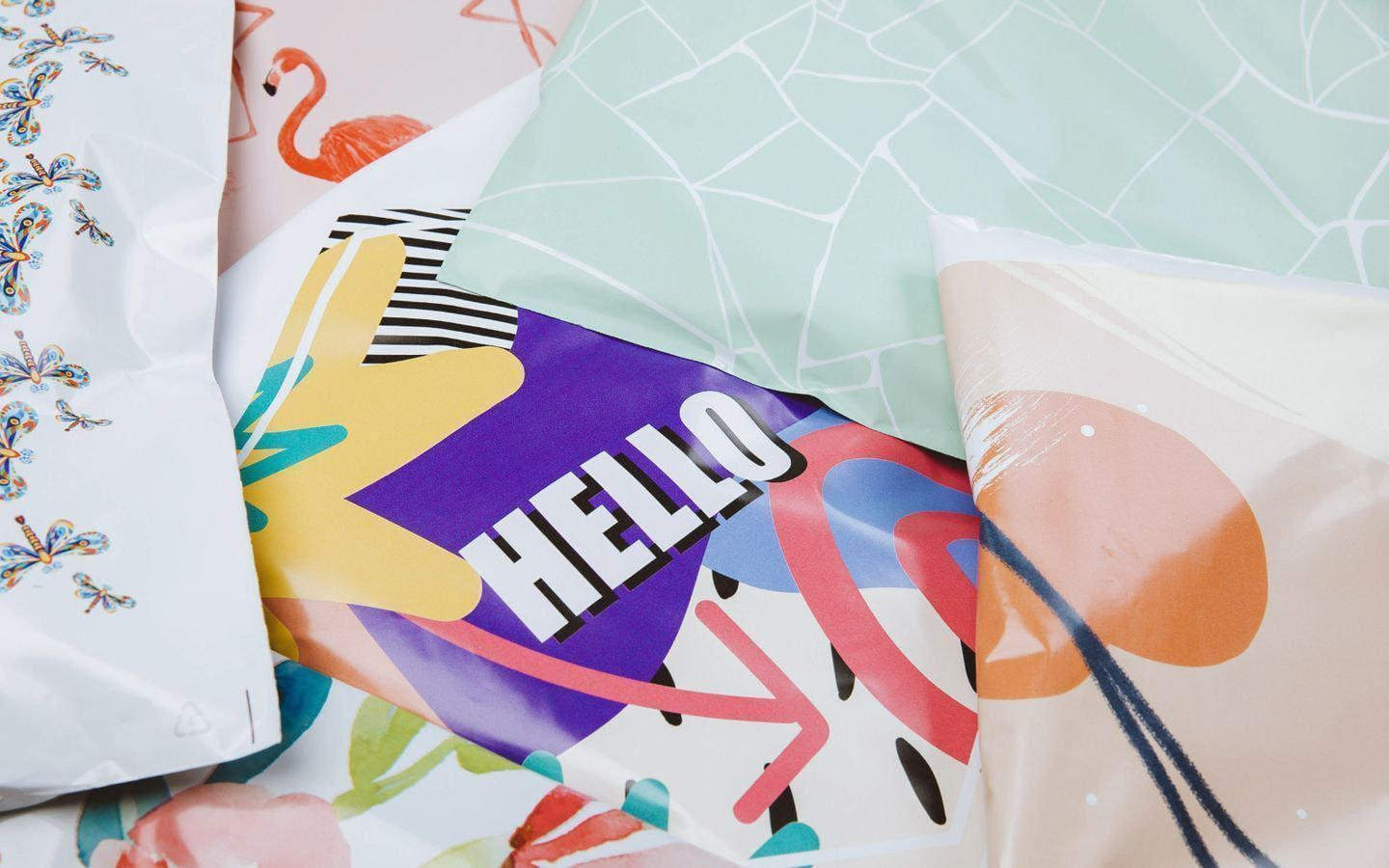
Send your own custom mailers, tissue paper, or tape to our fulfillment centers for storage and use. Trusted partners like Sticker Mule, Arka, and PackHelp make it easy to design branded mailers that align with your aesthetic and sustainability goals.
More consumers worldwide want eco-friendly packaging because it’s better for the environment. Find out more about Printful’s eco-friendly packaging journey and how you can contribute to sustainability with Print on Demand in our blog posts.
3. Add personal pack-ins
Small inserts create emotional connection and repeat business. Some pack-in ideas:
-
A greeting or a thank-you card
-
Coupon code for the next purchase
-
Information about your brand’s purpose or goals
-
Sustainability effort info card
-
Small gifts like stickers
4. Fine-tune your dashboard
In your Printful account settings, upload your logo and craft a short branded message for packing slips, like a thank-you note or sustainability statement. Add links to your online store and social channels for post-purchase engagement.
Sustainable by default. Most apparel ships in eco-friendly 90-100% post-consumer recycled (PCR) packaging in the US and 70-100% PCR in Europe. It’s fully white-label – your customer only sees your brand, not ours.
A strong customer experience doesn’t end at checkout – it peaks at delivery. Use custom packaging to make every order premium. These touches show care and boost customer satisfaction, leading to positive reviews and repeat purchases.
Custom boxes, tape, or inserts reinforce your brand and message. When satisfied customers share their unboxing on social media platforms, they expand your brand presence and attract new potential customers without ad spend.
Find your product branding options by heading to our Product Catalog and using the search bar on the left-hand side.

Source: Printful
8. Advertise your branded dropshipping store
Your online store won’t grow by accident – visibility takes strategy, consistency, and testing.
1. Start with organic social
Pick 1-2 platforms where your audience spends time – like TikTok, Instagram, or Facebook. Post product demos, lifestyle content, and customer shoutouts. Keep it real and on-brand.
2. Test paid ads with purpose
Start your advertising efforts small ($10-$20/day). Experiment with ad angles: design, lifestyle, or brand story. Use Printful mockups or sample photos for free quality visuals.
Install a Meta or TikTok Pixel early to retarget visitors who viewed but didn’t buy – these warm audiences convert the best.
3. Use creators and UGC
Collaborate with micro-influencers or happy customers. User-generated content (UGC) feels real and consistently outperforms polished brand ads.
4. Build and nurture your email list
Offer a simple incentive (e.g., free shipping, 10% off) to collect sign-ups. Send short, visually branded emails featuring bestsellers, customer photos, or limited offers. Focus on value and benefits, not just sales.
5. Publish content that sells without selling
Share helpful blog posts or guides related to your niche – design tips, care instructions, or product stories. Post them across social to attract long-term, organic traffic.
6. Measure and refine
Check your ad dashboards, Google Analytics, and Printful order data weekly. Track what drives purchases, not just clicks, and double down on what works.
Great advertising feels like storytelling, not noise, and the brands that master it earn both trust and repeat buyers.

Source: Unsplash
Case studies: Real-life examples of good brand identity
One way to stand out as a competitive eCommerce business is by building a cohesive brand identity that resonates with your target audience. Here are two niche brands doing it right.
Dogecore
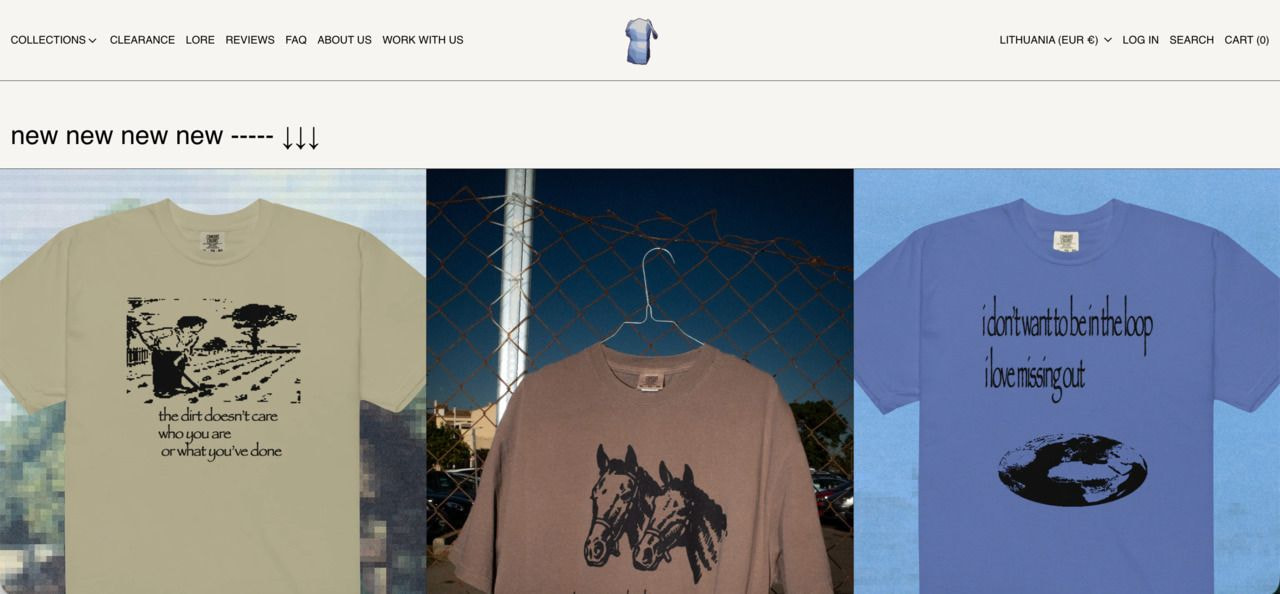
Dogecore leans into its weird, niche appeal with an old-school website, chaotic humor, and a clearly defined tone of voice.
Source: Dogecore
In one of their blogs, they claim the founder “single-handedly destroyed the last vampire colony in Ireland back in 1994,” and that business is run by “two monkeys with internet access, just vibing.”
It’s not traditional – but it works. This style speaks directly to Gen Z and creates a memorable brand image. Every element, from product descriptions to visuals, reinforces their identity.
Because the website’s storytelling even reaches into the product descriptions, one downside is that it’s probably difficult to do keyword research for product listings. This means that you’d have to use other tools, like social media, to generate traffic for a site like this.
Birthnerds
Source: Birthnerds
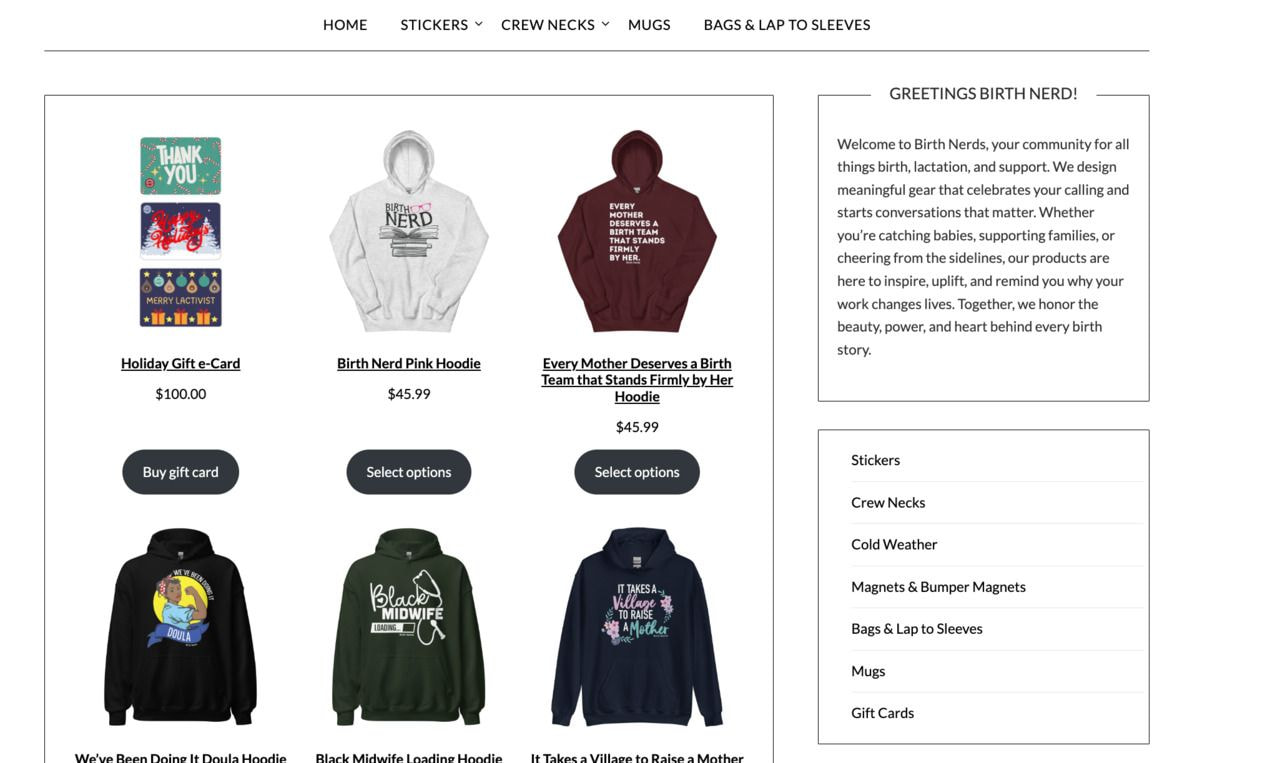
Birthnerds is another excellent example of an online store with a defined, narrow target audience. They’re addressing birthing professionals of color to help promote healthy conversations around birth and lactation.
The design is bold but clean, featuring their catalog and a direct greeting to their audience. It’s a perfect example of how clear branding elements and a strong brand story can shape perception and build customer loyalty.
Both brands show that no matter your niche, a focused, well-executed brand identity is one of the most powerful tools in branded dropshipping.
Why branded dropshipping matters in 2026
In 2026, customers expect more than convenience – they expect connection. Branded dropshipping lets entrepreneurs deliver that. Instead of selling generic products, a strong brand resonates emotionally, builds brand recognition, and drives customer loyalty through every interaction.
With global eCommerce competition rising, a branded dropshipping store helps you stand out by delivering high-quality products with a cohesive message and design. The result? A memorable customer experience that converts first-time buyers into a loyal customer base.
How branded dropshipping differs from traditional dropshipping
Traditional dropshipping is fast but forgettable. You list generic products, rely on a third-party supplier, and compete on price. Branded dropshipping flips that business model.
Branded dropshipping gives you a competitive advantage through control over quality and unique brand positioning. Instead of listing random items from a third-party supplier, you use a reliable supplier like Printful to dropship branded products that match your brand identity.
You still skip inventory, but you own every detail of how customers perceive your business. This setup lets you run a lean eCommerce business while delivering high-quality products that strengthen trust and brand recognition.
5 branded dropshipping product examples
Looking for profitable product ideas that make branding shine? These five categories are ideal for building customer loyalty, commanding premium pricing, and standing out in 2026.
1. Customized apparel
Still the backbone of branded dropshipping. Tees, hoodies, and hats turn customers into walking billboards because every wear spreads awareness.
Success here comes from focus, not volume. Test a few styles, keep your design language consistent, and use Printful’s inside labels or sleeve prints to reinforce your logo subtly. Drop your weakest design after 30 days and double down on what sells.
Pro tip: Launch limited-edition drops or seasonal colorways to create urgency and keep repeat customers coming back for what feels exclusive.
2. Home decor
Products like posters, blankets, and pillows bring your unique brand identity into their personal spaces. This category works especially well when your designs reflect a cohesive style – people don’t just buy items, they buy a vibe.
Build around themes like minimalist calm, retro pop, or botanical chic, and use inserts or packaging that tell the story behind the design. Pinterest, Instagram, and TikTok are your discovery engines here.
Pro tip: Create a consistent “signature look” across every piece – same color palette, typography, or motif – so customers instantly recognize your brand in any photo or pin.
3. Tech gadgets
Everyday gadgets such as phone cases, laptop sleeves, and wireless chargers offer functional branded dropshipping power. Keep designs sleek, use durable materials, and refresh colors quarterly to stay relevant. Partner with micro-influencers who showcase your gear in real setups for authentic reach.
Pro tip: Bundle complementary items, like a phone case, charger, and sleeve, to boost average order value and make your brand feel like a complete lifestyle upgrade.
4. Beauty products
This category thrives on aesthetics and trust – two pillars of a successful branded dropshipping store. Go beyond generic items by creating curated sets, such as makeup bags with brushes and mirrors.
Emphasize your unique brand values like clean design, sustainability, or empowerment. Use UGC from real customers as ad content since it consistently outperforms polished product shots on social media platforms.
Pro tip: Offer limited-edition branded packaging or design collabs with small creators. Fresh visuals and shared audiences can give your beauty brand a fast credibility boost and attract new potential customers.
5. Fitness and wellness
This niche thrives on motivation and community – making it a powerful fit for branded dropshipping. Think gym wear, water bottles, and yoga mats with motivational taglines or milestone-based designs.
Encourage customers to “wear their goals” and feature them on your social media. Launch challenges tied to your products, and reinforce your mission through every touchpoint – from product design to branded packaging.
Pro tip: Turn your audience into a community by inviting customers to share progress photos using a branded hashtag. Then, feature them in your next marketing efforts for built-in advocacy and retention.
Avoid these common mistakes in branded dropshipping
Even creative, motivated store owners can stumble when building a branded dropshipping business. Here’s what to watch for:
-
Inconsistent branding: Mixing styles or tones confuses customers and weakens your brand image. Keep your brand identity consistent everywhere.
-
Ignoring product quality: Never skip sampling your high-quality products from a reliable supplier. Low product quality destroys customer trust faster than anything.
-
Underestimating fulfillment logistics: Delayed or unpredictable shipping hurts your brand. A smooth fulfillment process and fast shipping are essential to protect your customer satisfaction.
-
Neglecting marketing strategy: Don’t just post occasionally. Map out your marketing efforts across key channels (email, social media, content, paid ads) to build visibility and grow a loyal customer base.
By avoiding these traps and focusing on a clear marketing strategy, a polished brand story, and providing customer service, you’ll create a successful branded dropshipping business that thrives long-term.
Ready to start your branded dropshipping business?
A branded dropshipping store is your opportunity to build something lasting – an online business driven by creativity, connection, and consistency.
Focus on delivering quality products, maintaining a recognizable brand identity, and offering exceptional customer service through every stage of the fulfillment process.
With the right marketing strategy, storytelling, and Printful’s custom branding tools, you’ll build a successful branded dropshipping store that inspires a loyal customer base and drives long-term growth.
Read next: How to start an online clothing store
Branded dropshipping FAQs
Yes, branded dropshipping is a profitable and scalable retail fulfillment method when done right. The global dropshipping market is growing at an estimated 24.4% CAGR from 2024 to 2029.
Branded stores stand out from other dropshipping businesses because they offer high-quality products, build a loyal customer base, and justify premium pricing. By delivering a stronger customer experience, showcasing your brand identity, and using tools like custom branding and branded packaging, you’ll run a profitable online business.
Read more: Is dropshipping worth it in 2025?
Income varies widely depending on your niche, product quality, marketing strategy, customer retention, and design appeal. The most successful branded dropshippers build trust through consistent visuals, great customer service, and thoughtful storytelling. The more you invest in branding and retention, the higher your profit potential.
Definitely. Branded dropshipping creates recognition, loyalty, and credibility – three things generic dropshipping businesses can’t replicate. You control your pricing, positioning, and customer experience, which leads to stronger margins and repeat sales.
Start by choosing a niche and building an online store with a dropshipping supplier. From there, you’ll create branded products using tools like inside labels, branded packaging, and pack-ins.
Upload your branding elements, design a clear brand story, and connect your store to an eCommerce platform like Shopify or Etsy. Once set up, start selling and shipping products with your branding without holding inventory.
Yes, branded dropshipping is fully legal. A white-label product is free from any branding and is fully customizable. In Printful’s case, our branding won’t appear on any of your products or packaging.
Just make sure you don’t use copyrighted logos, characters, or designs you don’t own. To avoid copyright lawsuits as a dropshipper and make sure your content is respectful of others, check out our acceptable content guidelines.
Yes, you can – it’s one of the fastest ways to launch a branded dropshipping business with complete control over your brand identity and customer experience. Connect your Shopify store with Printful and sell branded print-on-demand products with dropshipping under your brand.

Karlina is an SEO Content Writer specialist at Printful. As a firm believer in attitude over aptitude, Karlina gives her 100% whenever she works on something new. Karlina spends her free time reading, traveling, and doing yoga.

