



Table of contents
Yes, dropshipping is worth it in 2026 if you approach it with realistic expectations and a solid strategy. While it’s not a way to make money overnight, dropshipping is a low-risk way to start selling online without purchasing inventory upfront.
In this guide, we’ll look at how profitable dropshipping can be, its biggest advantages and challenges, and what you should know before starting a dropshipping business.
Disclaimer
This page may contain affiliate links, which means we may earn a commission if you purchase through those links. This comes at no additional cost to you.
What is dropshipping in 2026?
Dropshipping is an eCommerce business model where you sell products from a third-party supplier without keeping them in stock.
The process is simple. You create an online store, list products for sale, and collect customer orders. Once someone makes a purchase, you send the order details to your dropshipping supplier, who fulfills and ships it directly to the customer on your behalf.
Compared to traditional retail, you don’t need to buy inventory upfront or manage warehousing and fulfillment yourself. Instead, suppliers handle inventory and shipping, leaving you to focus on growing your brand, marketing the products, and supporting your customers.
Is dropshipping worth it in 2026?
Can you still make money dropshipping? Absolutely. Online shopping remains strong, and the latest figures show the dropshipping industry is far from slowing down.
In fact, the global dropshipping market is expected to increase from $464 billion in 2025 to more than $2.1 trillion by 2033, highlighting strong demand. The eCommerce market is expanding too, with global online sales projected to reach $7.8 trillion by 2028, accounting for more than one-fifth of all retail sales.
Today, roughly 27% of eCommerce stores use the dropshipping business model as their primary way of selling products, showing that it’s still a profitable strategy for many entrepreneurs.
The numbers point to a healthy market, but they’re only part of the story. Long-term success comes down to building a strong brand, choosing a profitable dropshipping niche, and creating a great customer experience.
Read more: To stay on top of market trends, check out our roundup of the latest dropshipping statistics.
Is Print on Demand a better alternative to dropshipping?
If you’re exploring different ways to sell online, Print on Demand (POD) is another legitimate eCommerce business model worth considering. Like dropshipping, you don’t need to purchase inventory or handle fulfillment yourself. Products are only made after a customer places an order, keeping upfront costs low.
The main difference is what you sell. Dropshipping focuses on ready-made products sourced from third-party suppliers, while POD lets you create and sell custom products with your own designs. That gives you more opportunities to build a recognizable brand instead of competing with identical products.
Printful simplifies POD by handling production and fulfillment in-house, giving you greater consistency and quality control. Build your catalog with 583+ custom products across popular categories, create designs with the free Design Maker, then ship orders worldwide with no minimum order requirements.
Connect Printful to Shopify, Amazon, Etsy, WooCommerce, TikTok Shop, and other leading eCommerce platforms to automate your workflow and manage your business more efficiently. Setup takes just a few clicks – no coding required.
Sign up for a free Printful account and start selling online today.
Read also:
The dropshipping market in 2026
We’ve looked at whether dropshipping is still worth it in 2026. Now, let’s look at what’s driving the industry and why it continues to expand.
Several factors are fueling the global dropshipping market:
-
Low barriers to entry let entrepreneurs start an online business without investing in inventory or warehousing.
-
Faster shipping and improved logistics have shortened delivery times and simplified order fulfillment.
-
Consumers expect more product variety and personalized shopping experiences than ever before.
-
More people have access to smartphones and the internet, further driving eCommerce growth worldwide.
If you’re looking for a niche, fashion remains one of the safest bets. It made up 38.5% of the dropshipping market in 2025, and analysts expect it to hold a similar share through 2035. Food and personal care products are also gaining momentum and are projected to grow quickly in the coming years.
It’s also easier to start a dropshipping business today than it was a few years ago. Many suppliers now offer competitive pricing, streamlined fulfillment, and integrated shipping solutions, so running an online store is far less time-consuming than it once was.
The advantages of dropshipping

One reason dropshipping is still a viable business model is the benefits it offers compared to traditional retail.
No inventory management or upfront costs
When starting a dropshipping business, you don’t have to buy, store, or manage inventory yourself. Instead, dropshipping suppliers handle storage, packing, and shipping after a customer places an order.
This eliminates many of the expenses associated with traditional retail, such as renting warehouse space, purchasing stock in bulk, or hiring staff to fulfill orders. Since you only pay for products after you’ve made a sale, it’s also easier to manage cash flow and reduce financial risk.
Compared to other business models that require inventory, dropshipping has a lower financial barrier to entry. You can start making money online without investing heavily upfront.
Read also:
Sell a wider range of products
Since you don’t need to keep products in stock, it’s much easier to build a larger catalog and explore different niches. You can add seasonal products, respond to changing market trends, or introduce new product categories without reorganizing a warehouse or clearing old inventory.
The key is choosing the right dropshipping partner. Printful, for example, offers more than 583 customizable products across a wide range of categories, giving you plenty of opportunities to expand your catalog as your business grows.
Market research also becomes easier to put into practice. If you spot a product opportunity on Google Trends, you can quickly test new ideas and see how customers respond. Over time, this helps you identify a profitable niche and build a product catalog that better matches your target market.
Read also:
Easy to launch and manage
Running a dropshipping store is simpler than ever, thanks to eCommerce platforms and automation. Most dropshipping suppliers integrate with platforms like Shopify, so products, inventory updates, and customer orders sync automatically.
Many new sellers can launch and manage a store on their own or with a small team. Since everything is handled online, all you need is an internet connection to monitor orders, update your store, and communicate with suppliers or customers. Whether you’re working from home or traveling, you have the flexibility to run your business from almost anywhere.
More time to grow your business
By spending less time on fulfillment and day-to-day operations, you can focus on growing your brand, improving product listings, creating marketing materials, and developing effective marketing strategies to expand your dropshipping store.
It also leaves more time to improve customer support and refine your store based on feedback. These efforts lead to a better customer experience and stronger customer loyalty overall.
The disadvantages of dropshipping
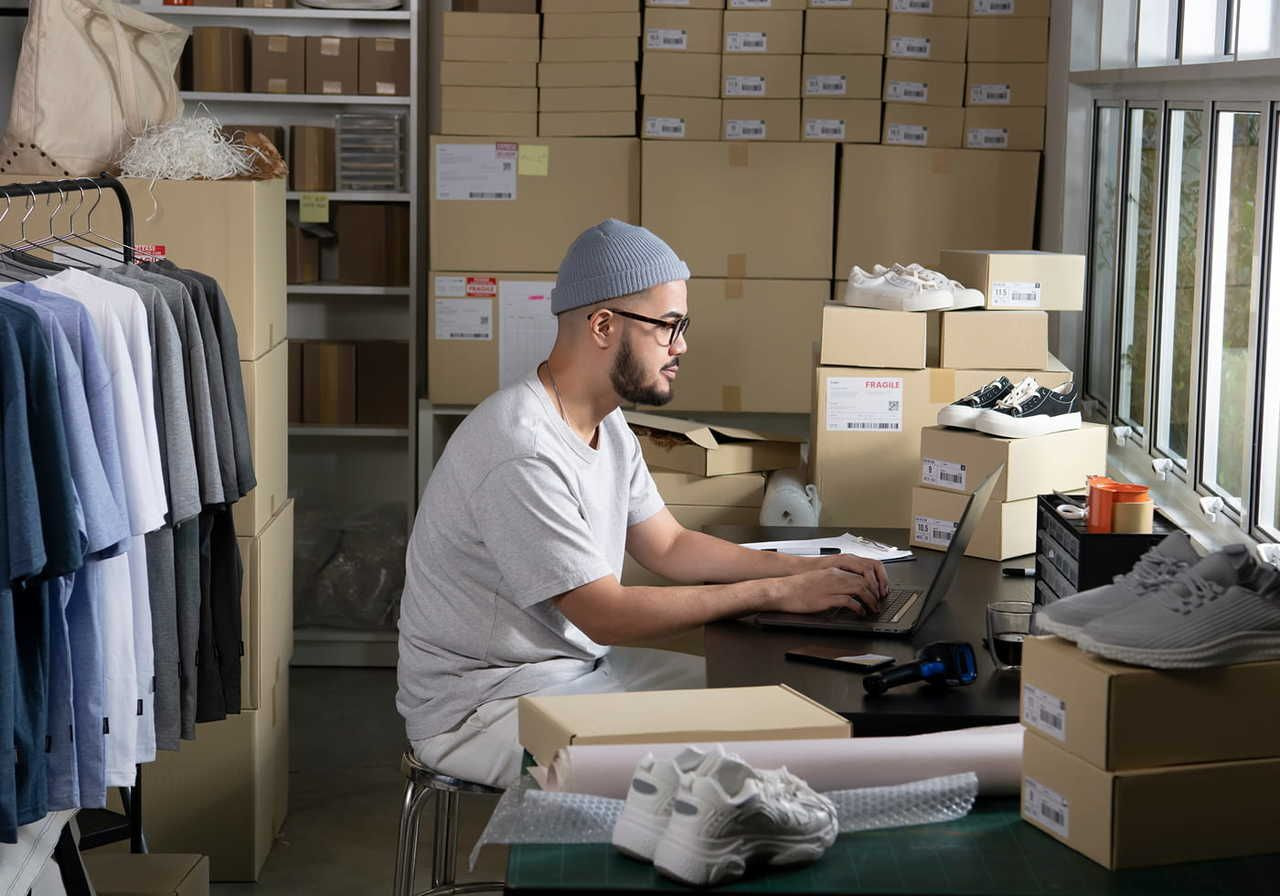
Like any business model, dropshipping comes with trade-offs. Understanding these challenges early on can help you set realistic expectations and avoid common mistakes.
A highly competitive market
One of the biggest challenges is standing out. Since many sellers source products from the same dropshipping suppliers, customers can often find the same products across multiple online retailers.
Rather than competing on price alone, focus on building a recognizable brand, targeting a specific audience, and creating a better shopping experience. Strong marketing efforts and a clear value proposition can help your dropshipping business compete more effectively.
Finding a profitable niche
Choosing products with consistent demand is only part of the challenge. Some popular categories are already crowded, so it’s important to choose a dropshipping niche that balances customer demand with manageable competition.
Before launching your store, research your target market, study competitors, and validate product ideas with tools like Google Trends. You can use Google Alerts for specific words, like brands or product names, to stay informed about your niche.
It’s also worth picking a niche you’re genuinely interested in. Staying motivated is much easier when you love what you’re selling, and you can always expand into related niches as your online store grows.
Read more:
Kick your dropshipping journey into gear by checking out our dropshipping business ideas.
Limited control over product quality
Because suppliers handle storage, packing, and shipping, you have less control over the products your customers receive. A poor supplier can lead to inconsistent product quality, damaged orders, or inaccurate inventory updates.
Working with reliable suppliers is essential. Experienced sellers often order samples before adding anything to their catalog so they can evaluate supplier quality firsthand and make sure it meets their expectations.
Choosing reputable suppliers that consistently deliver high-quality products helps protect your reputation and avoid problems in the long run.
Customer support issues
Even though suppliers fulfill orders, your customers will come to you if something goes wrong. Shipping delays, incorrect items, or damaged products can all affect customer satisfaction, even if the issue wasn’t caused by your business directly.
The best way to avoid problems is to partner with trustworthy suppliers and set clear expectations about shipping times and returns. Create a dedicated returns policy page, set up automated order tracking emails, and use a helpdesk tool to keep customer conversations organized.
When issues do happen, respond quickly, keep shoppers informed, and do your best to resolve them. Good customer service goes a long way toward creating a better customer experience, building trust, and encouraging them to shop with you again.
How profitable is dropshipping actually?

Dropshipping profitability varies from one business to another. While some stores gain traction quickly, most sellers need three to six months of testing and optimization before generating consistent income.
While earnings vary, here’s a rough idea of what different stages can look like:
|
Experience level |
Monthly sales |
Estimated monthly profit |
|
Beginner |
$5,000 |
~$1,500 |
|
Intermediate |
$25,000 |
~$6,000 |
|
Advanced |
$100,000 |
~$25,000 |
Here’s a simple formula to estimate how much monthly profit your business needs to generate to stay viable:
Monthly profit goal = Personal income target + Business expenses + Taxes + Reinvestment for future growth
For example, if you want to pay yourself $3,000 per month, spend $1,000 on running your business, set aside $500 for taxes, and reinvest $500, your monthly profit goal would be $5,000.
Whether dropshipping is profitable depends on several factors, including:
-
Your niche – Some categories have stronger demand and higher profit margins than others.
-
Pricing strategy – Setting prices too low reduces profits, while pricing too high can hurt conversions.
-
Product and shipping costs – Reliable suppliers with competitive pricing help protect your margins.
-
Marketing costs – Paid ads and other marketing efforts help attract customers, especially when you’re just launching your store or entering a competitive market.
-
Platform fees – Subscription fees, payment processing, and marketplace commissions all affect your bottom line.
The most successful dropshipping businesses regularly review these costs, test new strategies, and optimize their store over time.
6 things to know when starting a dropshipping business
Before launching your store, keep these practical tips in mind to avoid common mistakes and set yourself up for long-term success. For a step-by-step walkthrough, check out our dropshipping store checklist.
Understand your legal responsibilities
If you’re wondering whether dropshipping is legal, the short answer is yes. It’s a legitimate business model, but like any eCommerce business, you need to comply with local laws and regulations.
Depending on where your business operates, that may include registering your business, collecting sales tax, and creating clear policies for shipping, returns, refunds, and privacy. Since requirements vary by country and state, it’s important to check the rules in your area.
Getting the legal side right from the beginning helps you avoid unnecessary issues later and gives customers more confidence in your business. If you’re unsure, consult a legal professional before you start selling.
Read also:
Set realistic expectations
One of the biggest misconceptions about dropshipping is that it’s passive income from day one. In reality, building a successful dropshipping business takes time, consistency, and trial and error.
Treat your first few months as a testing phase. Experiment with different dropshipping products, pricing strategies, and marketing campaigns to learn what works for your audience. The goal isn’t to get everything right immediately, but to keep improving with every launch.
Choose suppliers carefully

Your suppliers play a major role in your customers’ experience, so don’t choose them based on price alone. Compare product quality, shipping times, response times, return policies, and customer reviews before adding products to your store.
Order samples whenever possible to check product quality firsthand. It’s also worth placing a test order every few months, especially if you’re working with multiple suppliers or adding new products. This helps you verify that shipping speeds, packaging, and product quality remain consistent over time.
Avoid relying on a single supplier for your entire dropshipping catalog. Having a backup for your best-selling products can help minimize disruptions if an item goes out of stock or fulfillment times suddenly change.
Pick tools that can grow with you
Look for a platform that integrates with your dropshipping platform, automates product imports and inventory updates, and lets you manage orders from one dashboard.
A few tools worth considering:
-
Shopify – Build and manage your online store with a large selection of apps and dropshipping integrations. For a detailed Shopify dropshipping cost breakdown, check out our guide.
-
Printful – Design, fulfill, and ship custom print-on-demand products with automated order processing.
-
Klaviyo – Build email marketing campaigns, recover abandoned carts, and encourage repeat purchases.
-
Semrush – Research keywords, monitor competitors, and improve your SEO strategy.
-
Canva – Create product graphics, social media posts, and other marketing materials without design experience.
Build your marketing before launch
A solid business plan should include how you’ll attract customers from day one. Start creating content, posting on social media, and collecting email subscribers ahead of time so you already have an audience to reach.
Create a launch plan that outlines what you’ll publish, where you’ll publish it, and when. Preparing product photos, social media posts, emails, and other marketing materials in advance helps your launch day go smoothly.
As you grow, improve your messaging, strengthen your brand-building efforts, and focus on the marketing channels that deliver the best results.
Track your numbers
Data helps you build a more profitable dropshipping business. Review your store’s performance regularly to understand what’s working and spot opportunities to improve.
Keep an eye on these key metrics:
-
Profit margins – Measure how much you earn after deducting product, shipping, marketing, and platform costs.
-
Conversion rate – See how many online shoppers complete a purchase.
-
Customer acquisition cost (CAC) – Calculate how much you spend to acquire each new customer.
-
Return on ad spend (ROAS) – Measure how much revenue your advertising generates.
-
Repeat purchases – Track how often existing customers return to buy again.
Test one change at a time. Small, incremental improvements are easier to measure and often produce better long-term results.
Frequently asked questions
Yes. Dropshipping is still worth it in 2026. Despite growing competition, this low-risk business model lets you start selling online without buying inventory upfront. That said, success depends on choosing the right niche, working with reliable suppliers, and using effective marketing strategies.
Estimates suggest that 80%-90% of new dropshippers don't succeed, leaving an overall success rate of around 10%-20%.
So, is dropshipping hard? It can be, but many beginners jump in without fully understanding the factors involved. Product research, supplier selection, marketing, and customer service all play a major role in long-term success. Like any business, careful planning, realistic expectations, and consistent effort can significantly improve your chances of building a real business.
Yes, but reaching $10,000 in monthly profit usually means operating at an advanced level. Stores earning around $100,000 in monthly sales may earn roughly $25,000, depending on their costs and profit margins.
Getting to that stage usually takes years of testing, optimization, and steady growth. Focus on building a sustainable business first, then expand over time.
Yes. $100 is enough to start, especially with Printful. For example, one of our cheapest t-shirts (Gildan 64000) starts at $7.50 before shipping. If you sell it for $24.99, you'll earn about $17.49 per sale before platform fees, payment processing, shipping, and marketing costs.
Selling 10 t-shirts per month at that price would generate about $250 in revenue and roughly $175 in gross profit before other expenses.
High-ticket dropshipping focuses on selling fewer products at higher prices. While each sale can generate higher profit, it usually requires a bigger marketing budget, longer buying cycles, and stronger customer trust. That's why many beginners start with standard dropshipping first, focusing on everyday items like apparel and tech accessories.

Jordana is a content writer with over 6 years of experience in content writing and technical writing. Her not-so-secret passion is breaking down complex ideas into clear, straightforward content, whether it's explaining tech concepts or crafting stories that connect. When she's not writing, you'll find her enjoying good sushi or falling down movie trivia rabbit holes.

