


Table of contents
Ever wondered what dropshipping is, and if it's a smart way to launch an online business in Canada in 2026? You're in the right place. This guide breaks down the dropshipping business model, how it works, and what it really takes to succeed from coast to coast.
Whether you're starting your first eCommerce store or exploring new ways to sell, we'll cover the pros, cons, and key alternatives to help you decide if dropshipping is the right move for you.
Key takeaways
-
Dropshipping lets you sell online without ever touching inventory. You manage the storefront, and a third-party supplier handles storage, packing, and shipping.
-
Your profitability depends entirely on your strategy. Your product niche, supplier reliability, pricing in CAD, and marketing efforts directly impact your success.
-
You have less control over the customer experience. Traditional dropshipping limits your say on packaging, delivery speed, and product quality, which can affect your brand's reputation.
-
Marketing is your most important job. To find customers and drive sales, you'll need a solid plan for social media, email, search engine optimisation (SEO), and maybe even paid ads.
-
Print on Demand offers more brand control and profit potential. Printful lets you create and sell unique products with your own branding, all fulfilled automatically from our Canadian facility – a powerful dropshipping alternative.
What is dropshipping?
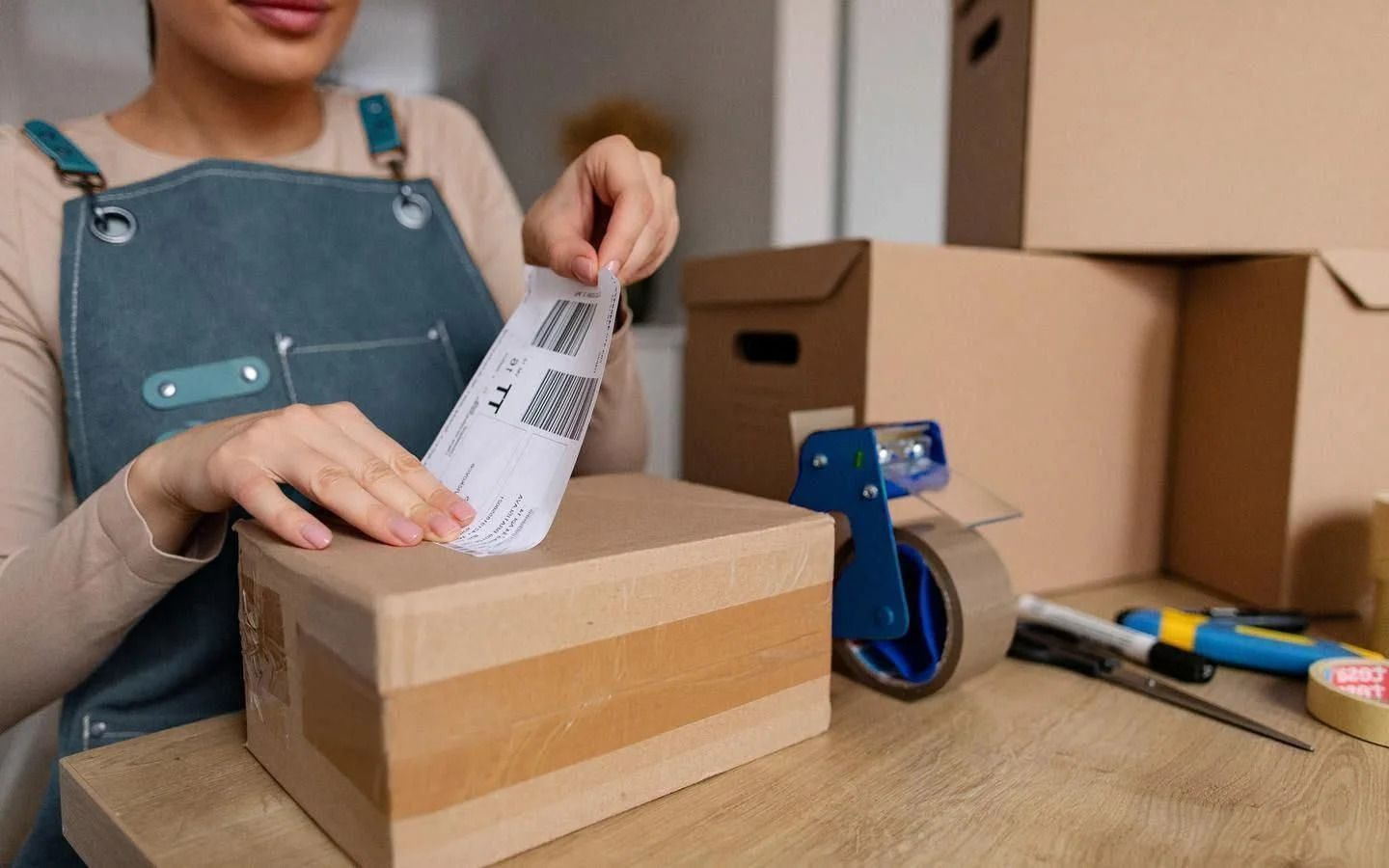
Dropshipping is an eCommerce business model where you sell products online without holding any stock yourself. Instead, you partner with a third-party supplier who stores the inventory, packs the orders, and ships them directly to your customers.
When a customer buys something from your online store, the order details are forwarded to your supplier, who then handles the entire fulfilment process. You don't need to invest in bulk inventory upfront or worry about having a room full of boxes. This makes it a low-risk and accessible way to start an online business, especially for new entrepreneurs.
For many Canadians looking to start a side hustle or a full-time business, dropshipping is a popular choice because it’s simple to launch and doesn't require a huge investment. All you need is a computer and a trustworthy supplier.
And if you want to sell products that are truly your own, Print on Demand (POD) offers even more creative freedom while keeping the same inventory-free benefit.
How does dropshipping work? The order fulfilment steps
Here’s a simple, step-by-step look at how a dropshipping business in Canada operates from the moment an order is placed:
-
A customer visits your online store (built on a platform like Shopify or WooCommerce) and purchases a product for C$50.
-
The order is automatically sent to your dropshipping supplier. You pay them their wholesale price, say C$30.
-
The supplier then picks, packs, and ships the product directly from their warehouse to your customer's address in Canada.
-
You keep the C$20 difference as your profit.
Your success in dropshipping hinges on a few key things:
-
Partnering with reliable suppliers (especially those with a presence in Canada).
-
Choosing high-quality products from a trusted manufacturer.
-
Using automation tools to keep your store running smoothly.
-
Focusing on excellent marketing and customer service.
The smoother your backend operations are, the happier your customers will be, leading to better reviews and repeat business.
Pros and cons of dropshipping 
Like any eCommerce model, dropshipping has its exciting advantages and some real challenges. It’s important to weigh both before you commit to building your store.
Benefits of dropshipping
Dropshipping allows you to start selling with very little upfront cost and risk. Your supplier handles all the logistics – inventory, packaging, and shipping – so you can focus on building your brand and connecting with customers. You can run your business from anywhere, test new product ideas without penalty, and pivot your niche if something isn't working.
Main perks:
-
Low startup costs
-
No need for a warehouse or inventory management
-
Flexible and location-independent
-
Easy to test and add new products
Dropshipping challenges
On the other hand, dropshipping isn't without its downsides. A major one is lower profit margins, since you're buying products one by one instead of getting a discount for buying in bulk. You also have very little control over the supply chain. If your supplier is slow, makes a mistake, or sends a low-quality item, your brand takes the hit.
Working with multiple international suppliers can also create headaches for your Canadian customers, from long shipping times and unexpected import duties to split orders that arrive on different days.
In short, dropshipping can be a fantastic starting point, but you must be comfortable putting a core part of your business in someone else's hands.


How to start a dropshipping business

If the dropshipping model sounds right for you, the next step is bringing your store to life. Let’s walk through how to launch and grow your eCommerce business in Canada.
1. Find a dropshipping niche
Your niche is the specific category of products you plan to sell. A well-defined niche helps you target the right audience and stand out in a crowded market.
Think about your own hobbies or problems you can solve. Are you passionate about hiking in the Rockies, sustainable living, or gear for pets? These could all be great starting points. For example, you could sell eco-friendly kitchen supplies, accessories for dog owners, or apparel celebrating Canadian pride for holidays like Canada Day.
Next, validate your idea. Use tools like Google Trends or Exploding Topics to check if there's consistent interest. Browse communities on Reddit like r/dropship or r/eCommerce to see what people are talking about.
Choose something with lasting appeal, not just a fleeting trend. And make sure there’s enough room to make a profit after supplier costs and marketing.
2. Name and register your business in Canada
Your business name is the foundation of your brand. It should be memorable, easy to spell, and reflect your niche.
Use tools like the Shopify Business Name Generator to brainstorm ideas. Once you have a shortlist, check if the domain name is available using a service like Namecheap.
Before you finalize it, make sure the name isn't already in use. Search the Canadian business registry database to see if it’s available in your province. It’s also wise to check for existing trademarks to avoid legal trouble down the road.
When you're ready, you’ll need to register your business. In Canada, you can operate as a sole proprietorship (the simplest structure) or incorporate. You'll also need to register with the Canada Revenue Agency (CRA) to get a business number for handling taxes like GST/HST. It's also a good time to open a separate business bank account to keep your finances organised.
3. Find a dropshipping supplier

Your supplier is your most important partner. A great supplier delivers quality products on time; a bad one can sink your business with poor reviews and angry customers.
Platforms like Spocket or Zendrop can help you find suppliers. Crucially for a Canadian business, prioritize suppliers with fulfilment centres in Canada. This means faster shipping for your customers, no surprise customs or duty fees, and easier returns.
Always order samples first. This is the only way to truly assess the product quality, packaging, and actual shipping times before you offer an item to your customers.
Pro tip: Sticking with one or two core suppliers simplifies your shipping and operations, making your business much easier to manage.
4. Set up your online store

With a niche and supplier sorted, it’s time to build your digital storefront. eCommerce platforms like Shopify, WooCommerce, or BigCommerce are excellent choices. They integrate seamlessly with most dropshipping apps and provide all the tools you need to manage your business.
Use a dropshipping tool like DSers or AutoDS to connect your store to your supplier. This helps you:
-
Import products from your supplier’s catalogue
-
Keep inventory levels synced automatically
-
Forward new orders for fulfilment without manual work
Next, design your store. Create a clean homepage, write compelling product descriptions, and include key pages like About Us, Contact, and a clear Shipping and Returns policy. Make sure your site is easy to navigate and that the checkout process is secure and straightforward.
Before you go live, place a test order yourself. This ensures everything is working perfectly from the customer's click to the final delivery.
5. Set competitive pricing
Your pricing strategy is a balancing act. Price too high, and you'll lose customers. Price too low, and you won't make a profit.
Start by calculating your costs. Your retail price in C$ should cover the wholesale cost, shipping, transaction fees, and any applicable taxes (like GST/PST/HST). Your formula should look something like this: Wholesale price + shipping + fees + taxes + your markup = retail price.
Use pricing tools to monitor your supplier's costs and adjust your prices automatically. This protects your profit margin without needing constant manual updates.
Research your competitors on sites like Amazon.ca or other Canadian stores to see how they're pricing similar items. Consider offering promotions like free shipping on orders over C$75 or bundle deals to encourage larger purchases.
6. Optimise your listings for search
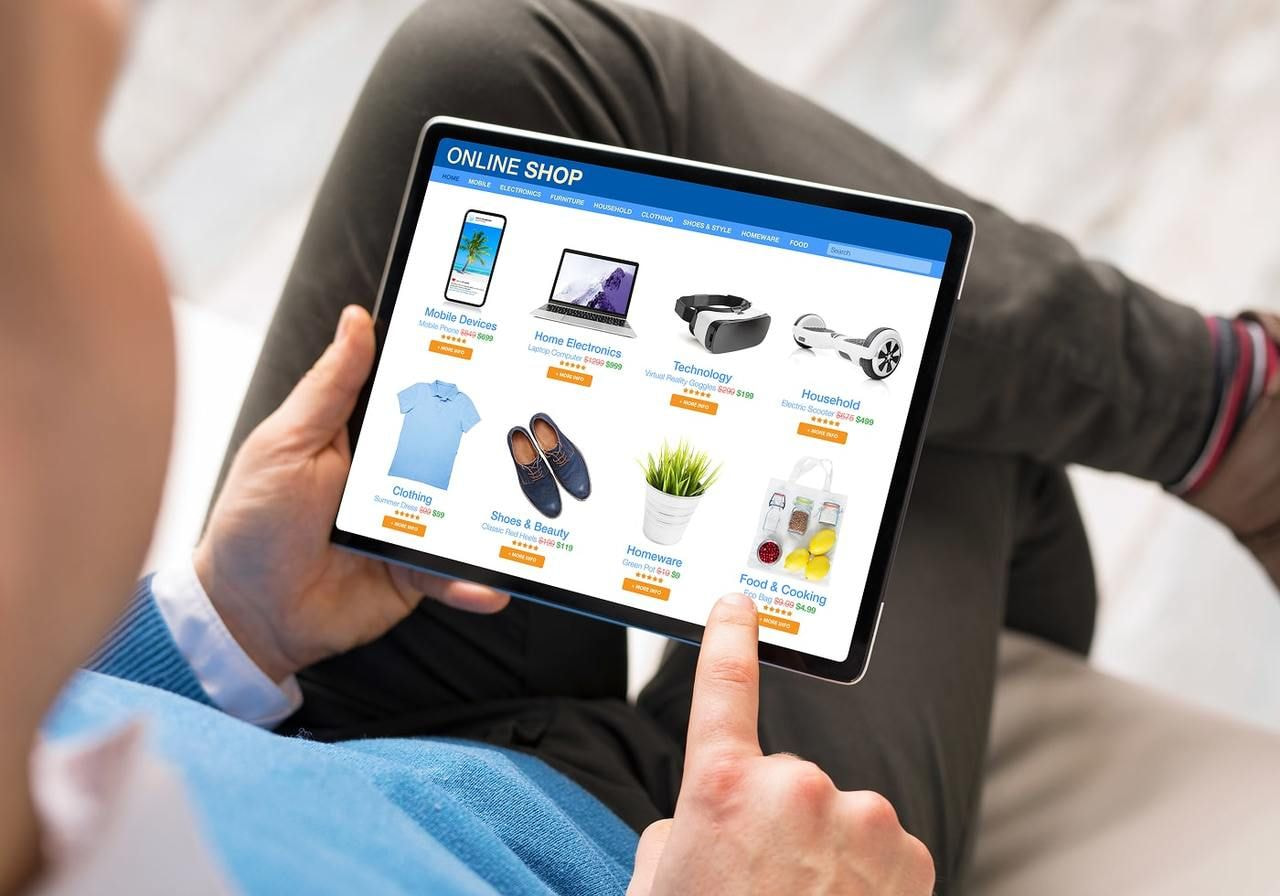
Your product pages are your virtual salespeople. A great listing builds trust and gives shoppers all the information they need to make a confident purchase.
Here's how to improve your listings:
-
Write clear, descriptive product titles with relevant keywords.
-
Create original product descriptions that highlight benefits. Never copy-paste from your supplier.
-
Use high-quality images or mockups that show the product in use.
-
Include important details like materials, sizing charts (in cm and inches), and estimated delivery times within Canada.
To get more free traffic from Google, use tools like Ahrefs' Free Keyword Generator to find terms Canadians are searching for. Include these keywords naturally in your titles, descriptions, and image alt-text.
7. Market your dropshipping store
Your store is live – congratulations! Now, it's time to get the word out. Since many dropshippers can sell similar products, building a strong brand and being visible is how you win.
Focus on where your target audience hangs out online. If you sell visually appealing products like fashion or home decor, platforms like Instagram, TikTok, and Pinterest are perfect. For broader reach, consider running Google Ads or optimising your site for search.
Start with a small ad budget to test what resonates with your audience. Track everything with tools like Google Analytics to see what's driving sales. Don't forget to tailor your marketing calendar to Canadian events like Victoria Day, Canada Day, and Boxing Day sales.
Encourage customers to share photos of their purchases for a discount on their next order. This user-generated content acts as powerful social proof. Finally, build an email list to nurture relationships and drive repeat business with abandoned cart reminders and special offers.
Is dropshipping profitable in Canada?

Yes, it absolutely can be, but it's not a get-rich-quick scheme. A successful dropshipping business in Canada requires a smart strategy, reliable suppliers, and consistent marketing effort.
The global dropshipping market is booming, and Canadian eCommerce is growing right along with it. Your profitability will come down to:
-
Your profit margin: The difference between your selling price and your total costs.
-
Market saturation: How many other stores are selling the exact same products?
-
Product selection: Are you selling items people actually want to buy?
-
Marketing effectiveness: Can you reach the right audience without overspending?
-
Fulfilment quality: Does your supplier ship quickly and reliably to Canadian addresses?
Some store owners make a few hundred dollars a month as a side income, while others build six-figure businesses. Your results will directly reflect the work you put in.
Tips for running a successful dropshipping business

Building a profitable dropshipping business is about more than just listing products. It’s about working smart, staying agile, and creating a brand that customers trust. Here are a few practical tips to help you succeed.
Stay on top of trends
Make sure your product catalogue is fresh and relevant. Use tools like Google Trends (filtered for Canada) to spot rising interest, browse the TikTok Creative Center, or see what's popular on Etsy. Update your offerings seasonally, but always keep your core bestsellers available.
Don't skip search engine optimisation (SEO)
SEO helps your store appear in Google search results, bringing you free, high-intent traffic over the long term. Focus on finding keywords that Canadians use, like "men's toques" instead of "men's beanies." Write unique, helpful product descriptions and consider starting a blog related to your niche to attract even more visitors.
Use testing and analytics to improve performance
Data is your best friend. Use tools like Google Analytics or your eCommerce platform's built-in reports to track key metrics like conversion rate and cart abandonment. A/B test different product photos, headlines, or prices to see what works best. Small, data-driven changes can lead to big improvements in sales.
Use automation to save time
To scale your business, you need to be efficient. Use automation tools to handle repetitive tasks so you can focus on growth. Apps can automate order processing, sync inventory, and run your email marketing campaigns (like welcome series and abandoned cart reminders) for you.
Build trust with transparency
Canadian shoppers are savvy. They worry about shipping times, product quality, and surprise fees. Be upfront to build trust and reduce customer service inquiries. Clearly state your estimated delivery times on product pages, create a detailed FAQ page, and offer order tracking. Setting clear expectations from the start leads to happier customers.
Print on Demand: The perfect alternative for building a real brand
Dropshipping is a great entry point, but its biggest weakness is the lack of control over your products and branding. If you want to build a memorable brand that stands out, Print on Demand (POD) is the answer.
With POD, you create your own unique designs, and a partner like Printful produces and ships them only when an order is placed. You still don't manage inventory or shipping, but you gain massive advantages. With Print on Demand in Canada, you can leverage our local fulfilment for even better results.
Here’s why POD is a powerful alternative:
-
Higher profit potential: Custom products are unique, allowing you to charge more than you could for a generic dropshipped item.
-
Complete brand control: Add your logo to labels, packing slips, and packaging inserts. This is something most dropshippers can't offer.
-
Unique product selection: Don't just sell what's in a generic catalogue. With our Product Creator, you can design your own products, from custom clothing to accessories and home decor that perfectly match your brand vision.
-
No inventory risk: Just like dropshipping, you only pay for a product after you've made a sale.
-
Reliable Canadian fulfilment: Printful’s facility in Canada means your orders reach your Canadian customers faster, without any cross-border customs fees.
If your goal is to build a lasting eCommerce brand, Print on Demand gives you the creative freedom and quality control you need to succeed.
Dropshipping FAQ
Yes, if your store is integrated with your supplier's system, orders are processed automatically. When a customer makes a purchase, the details are sent directly to your supplier, who then handles the entire fulfilment process. Without this integration, you would have to forward each order manually, which is slow and prone to errors.
Not really. While it's more flexible than a traditional retail business, dropshipping requires active work, especially at the start. You need to build your website, research products, set up marketing, and handle customer service. Once established, automation can reduce the daily workload, but you'll still need to manage marketing, monitor trends, and support your customers. Think of it as semi-passive.
Start by researching products with high demand but lower competition in the Canadian market. Look for items that are lightweight (to keep shipping costs down), durable (to minimize returns), and have consistent appeal. Popular categories in Canada include apparel, mobile phone accessories, eco-friendly products, and pet supplies. Always order samples to verify quality first.
Yes, in most cases. To operate a legal dropshipping business in Canada, you'll generally need to register it. This usually involves choosing a business structure (like a sole proprietorship or corporation), registering your business name in your province or territory, and getting a business number from the Canada Revenue Agency (CRA) to manage taxes like GST/HST. Consulting with a local accountant or business advisor is always a good idea to ensure you're compliant.
Branded dropshipping is an approach where you add your own brand identity to the products and packaging. This can include custom labels, branded packing slips, or thank-you cards. It helps you stand out from competitors selling the same generic products. However, not all dropshipping suppliers offer these services.
If building a strong brand is your priority, Print on Demand is a much better fit. With Printful, you can add custom neck labels to apparel, branded packing slips, and even custom packaging to create a professional and memorable unboxing experience for your customers.
Dropshipping is a retail fulfilment method within the eCommerce industry. You operate the customer-facing part of the business (your website, marketing, and customer service), while a third-party supplier handles the back-end logistics (inventory, warehousing, and shipping). It's an ideal model for first-time entrepreneurs and anyone looking to start an online business with minimal financial risk.
No, Printful is a Print on Demand company, which is a powerful evolution of the dropshipping model. We help you create and sell your own custom products without holding inventory.
Here’s how we’re different and why it matters for your brand:
-
You create unique products: Instead of selling generic items, you add your original designs to over 400 high-quality products.
-
We offer full branding: With custom labels, packaging, and pack-ins, the products look and feel like they came directly from your brand.
-
Our focus is on quality and consistency: We manage our own production facilities, including one right here in Canada, ensuring high-quality products and reliable, duty-free shipping for your Canadian customers.
-
We print everything on demand: You never pay for a product until a customer buys it, eliminating inventory risk entirely.
If you're ready to build a real brand with unique products, Printful provides the tools and fulfilment network to make it happen.

Printful is an on-demand printing and fulfillment service that helps businesses create and ship custom products.

